
Intro to the Strong Family Concept
CONTENTS ON THIS PAGE:
PDF: The Building Strong Family Workbook
Course Evaluation Results
PDF: 30 FAQs for Creating GREAT Relationships
PDF: Risk and Protective Factors Worksheet
PDF: Fridge Flyer Reminder Sheets
Vid: Strong families are REAL families with real problems
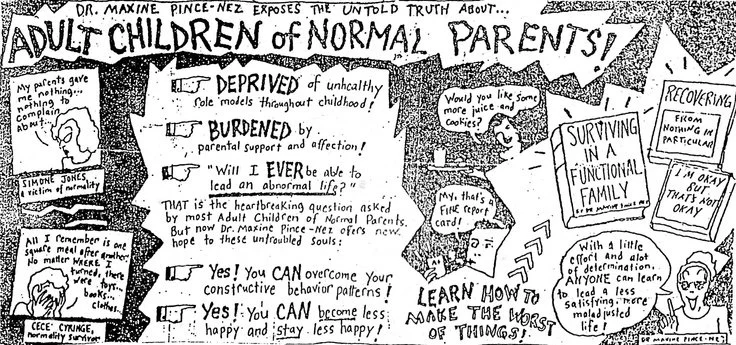
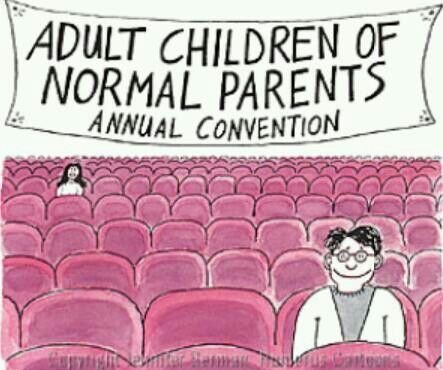
Cartoons: What’s “normal” anyway?
PDF: The Family Strengths Inventory
PDF: Journal article by one of the pioneers of the research into strong families:
Vid: Only a Person Who Risks is Free
PDF of the Building Strong Family Workbook
Need extra worksheets or handouts from your workbook to use with your family? Download the PDF of the BSF Workbook and print out what you need.
VPlease, do not share this workbook with others who haven’t paid for it. This is for your own personal use as someone who has purchased the online Masterclass, the paperback workbook, or the Kindle eBook. Thank you for your integrity.
Course Evaluation Results
I don't filter my workshop evaluation results; I give them here as straight as I get them. I figure if you're making the important decision to purchase training for yourself or to select the right speaker for your group, is it better just to get filtered positive only testimonials about a potential speaker or to know how people respond to the speaker, including both those who loved it and didn't? So, if someone thought I stunk, you'll hear it here first. Obviously, I don't try to make everyone happy. Part of my utility is to get people out of their comfort zones. If the majority love an approach I use in a seminar, I'll continue with those items that resonate with most. If the majority hate an approach, I'll drop it. If one or two people don't like what the majority love, then I don't give much heed to those critiques, of course. However, I appreciate all feedback, which is one of the reasons my evaluation results are consistently high: My audiences teach me what they like and what works best for them, and I listen.
MY EVALUATION FORM CONTAINS THE FOLLOWING ITEMS:
1-10 Rating: "Please rate your overall experience of this presentation"
The Good: "What was brilliant, superb, exhilarating, life-altering, or opened the heavens for you? In short, what did you like about the presentation?
One Thing: "What's one thing that you plan on using and/or implementing into your life from this presentation?" This tells me, out of everything, what was the one thing that had the most meaningful impact.
The Bad: "What stunk, turned your stomach, gave you a headache, made you dizzy, or gave you gas? In short, what didn't you like that could be improved, and/or what would you like to see covered that wasn't? (Go ahead, I can take it!)"
Requested eZine: This is actually also an evaluation measure. You'd think that someone who would give a lower rating didn't like the presentation. However, while it may not have been the favorite for that person, they got enough out of it that they would like to receive emails containing articles, tips, strategies, and events on these topics from me.
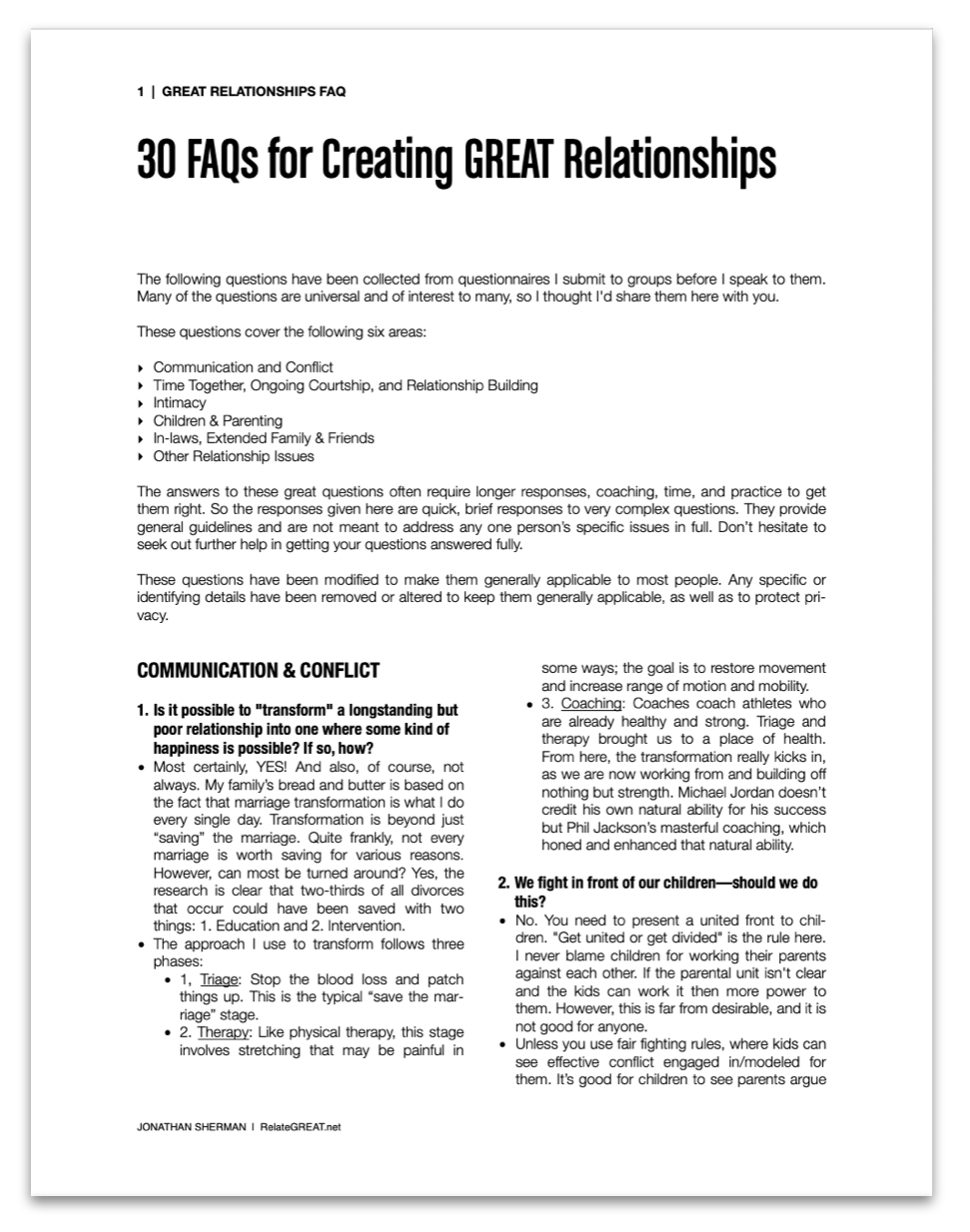
30 FAQs for Creating GREAT Relationships
The questions in this FAQ have been collected from questionnaires I submit to groups before I speak to them. Many of the questions are universal and of interest to many, so I thought I'd share them here with you. These questions cover the following six areas:
Communication and Conflict
Time Together, Ongoing Courtship, and Relationship Building
Intimacy
Children & Parenting
In-laws, Extended Family & Friends
Other Relationship Issues
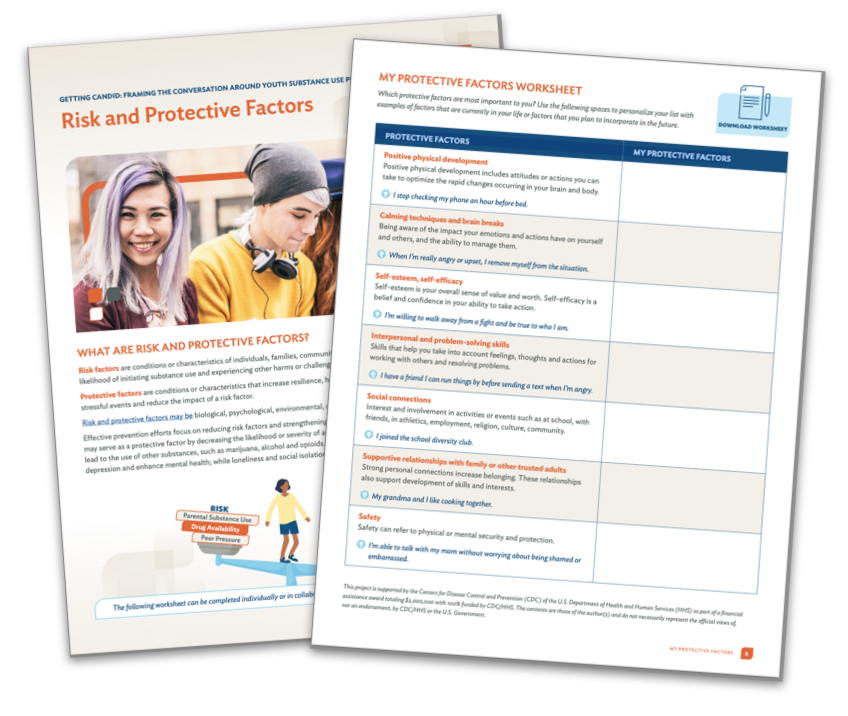
PDF: Risk and Protective Factors Worksheet
Provided by the National Council for Mental Well-Being (source: https://www.thenationalcouncil.org/resources/risk-and-protective-factors/).
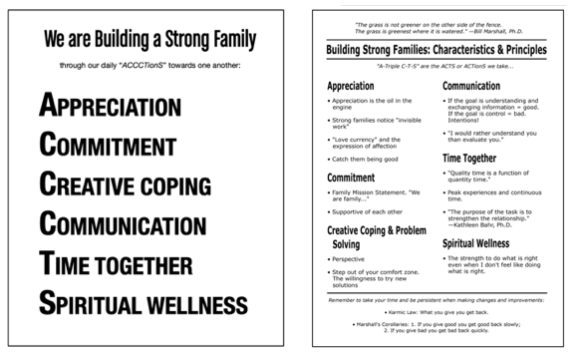
PDF of the Fridge Flyer Reminder Sheets
This is all a lot to remember! You can post one or both of these fridge flyers on your refrigerator to help you and your family remember these principles and practices as you continue to build and strengthen your family.
Vid: Strong families are REAL families with real problems…
Instead of “The Brady Bunch,” let’s take a look at a scene from the movie Parenthood where where Gil, the father, just quit his job and comes home to a messy home with many children underfoot and gets into an argument with his wife. While the rest of the movie highlights a lot of dysfunctional aspects in the extended family, it also shows how strong and resilient the primary family really is. This movie has many excellent scenes of strength, problems, and family dynamics that may be closer to what many of us experience in our own families.
What’s “normal” anyway?
Too many people worry that their family isn’t normal. In all my years as a family therapist, I’ve alleviated the concerns of many families: Don’t worry about it. Don’t try to be “normal.” Don’t waste time comparing to others. Just work on being kind, being there for each other, working on your patience, and you’ll do just fine. In the meantime, enjoy these cartoons I used to share in my live workshops to illustrate this point:
PDF: The Family Strengths Inventory
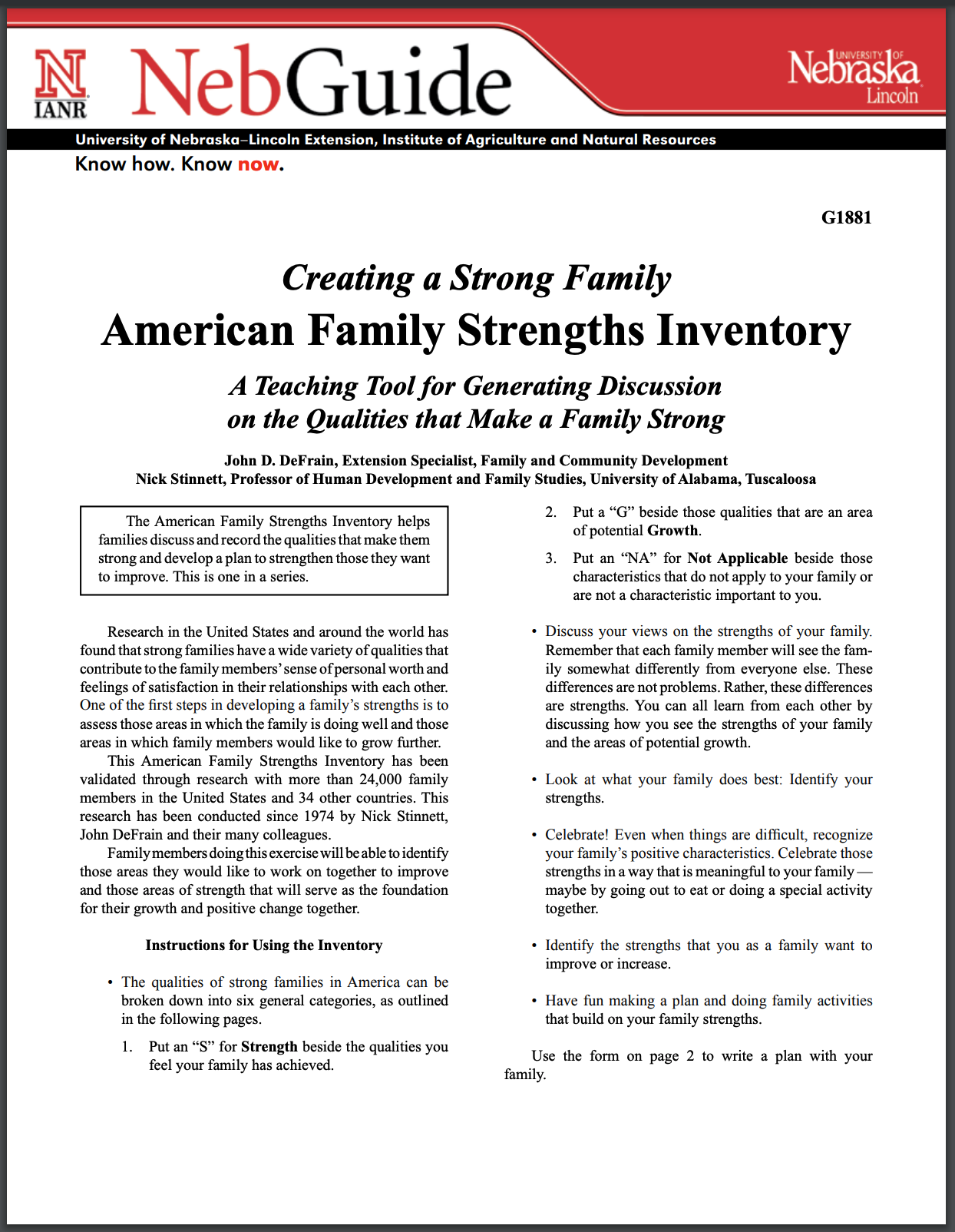
Take it with your family to celebrate what you are doing well and explore ways to grow together.
PDF: Journal article by one of the pioneers of the research into strong families:
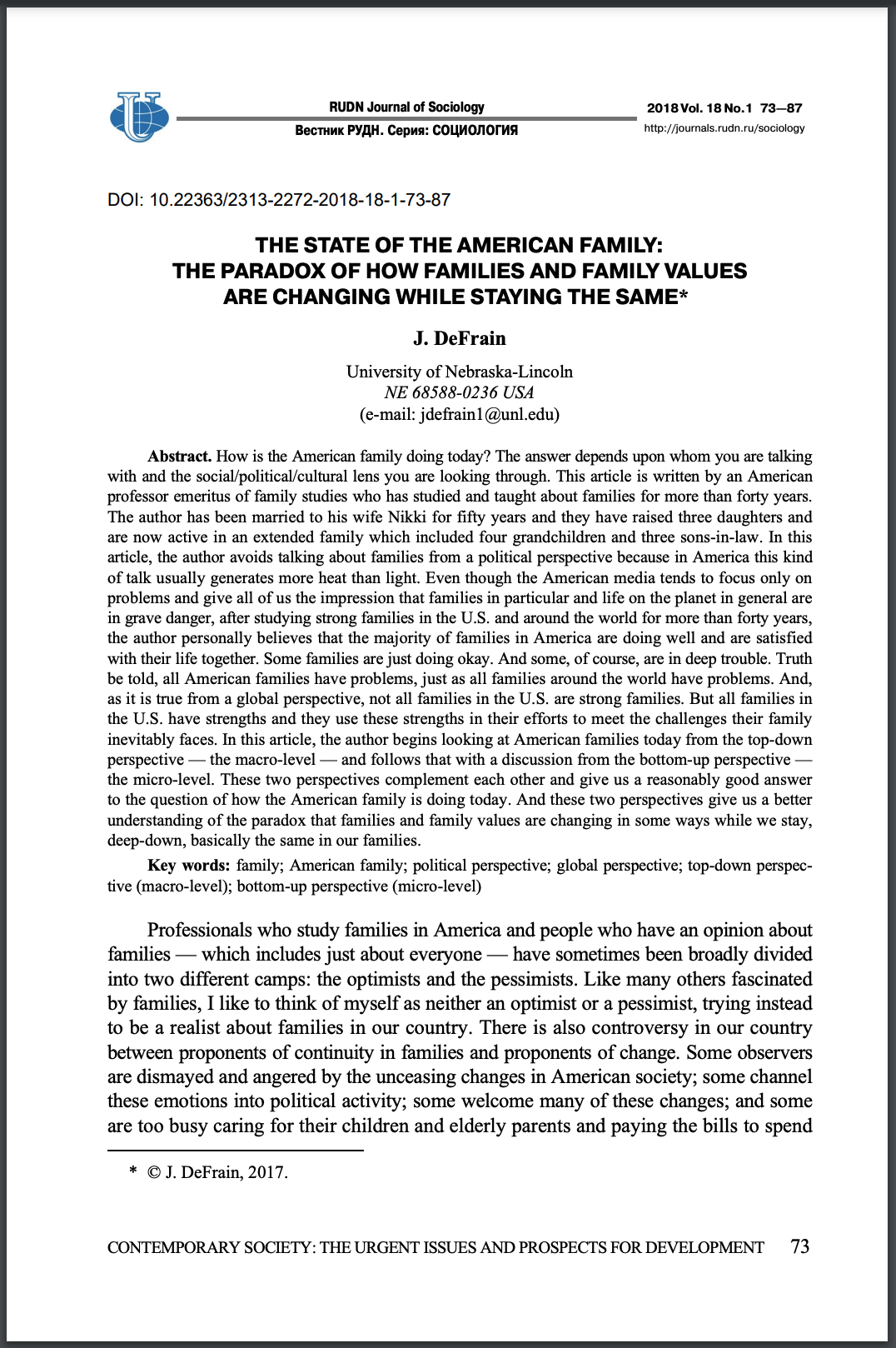
The State of the American Family: The Paradox of How Families and Family Values are Changing while Staying the Same, by John DeFrain, Ph.D.
From the Conclusion chapter:
Only a Person Who Risks is Free
passionately read by Leo Buscaglia