
C2: Creative Coping
Creative Coping & Problem-Solving is about…
CONTENTS ON THIS PAGE:
Creative Reframes and Perspectives
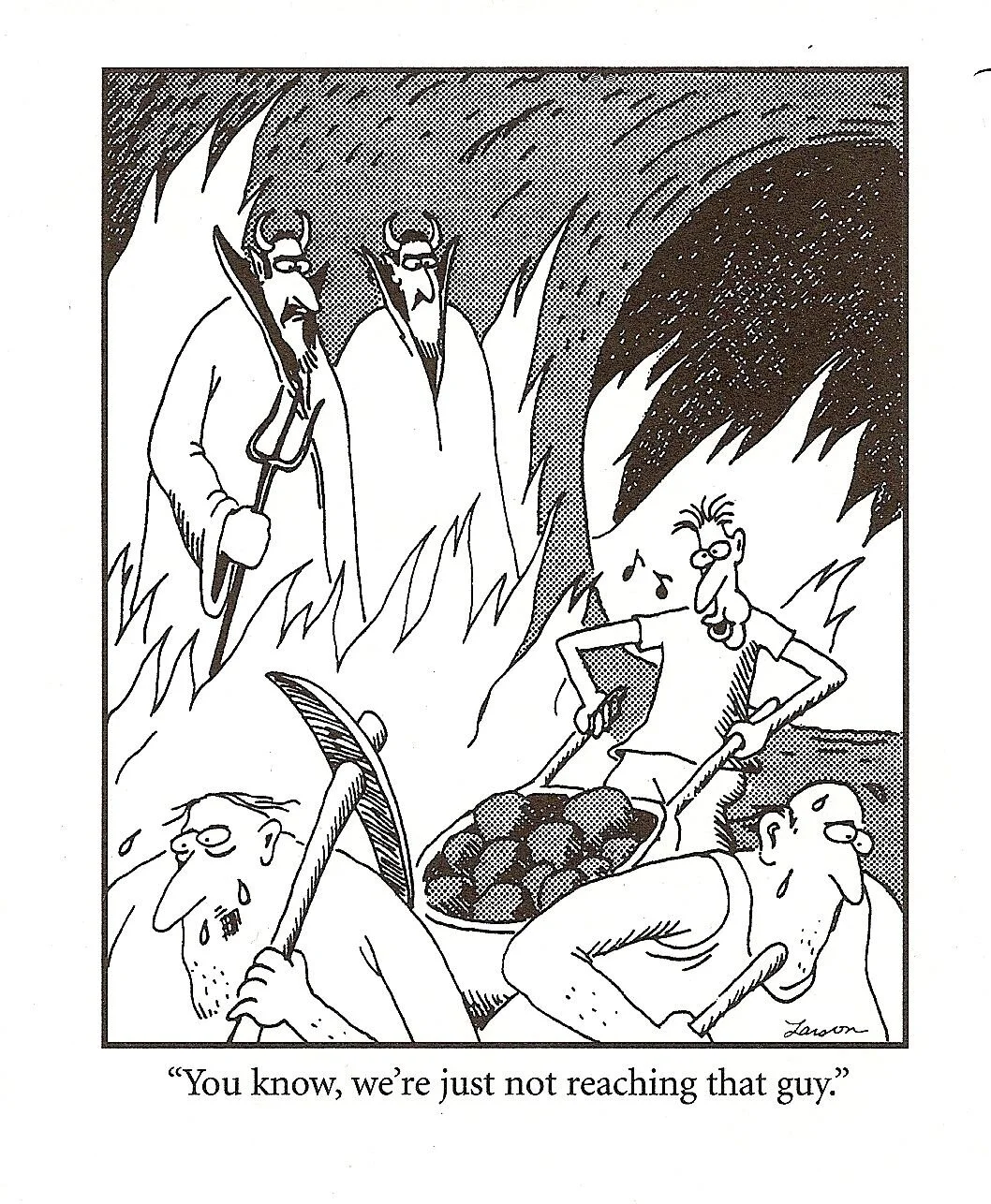
Cartoons: Two
Vid: Leo Buscaglia on being “kooky”
Music Video: “Another Day in Paradise,” by Phil Vasser
Story: The Barometer Problem
Preventing problems vs. reacting to problems
Vid: Jonathan’s reaction video on “Family Portrait” by Pink
Vid: Comedy skit “Don’t Buy Stuff”
Poem: “Fences or Ambulances?”
Channeling anger, learning skills, maintaining perspective, developing patience, and fostering understanding.
PDF: Stress Test: The Perceived Stress Scale (PSS-10)
Link: Recommended Reading
Vid: Lasting Marriage (TV spot)
Vid: Please Sit Down (TV spot)
Vid: Like Father Like Son (TV spot)
Vid: Potato Chip Trail (TV spot)
… Creative reframes and perspectives
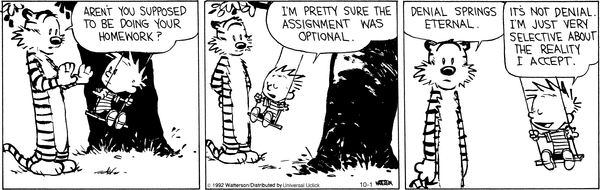
Calvin and Hobbes by Bill Watterson for October 01, 2012




Leo Buscaglia, one of my heroes, on how being “kooky” (or authentic) helps him be much happier than those who worry about how they fit in.
Just Another Day in Paradise, by Phil Vassar
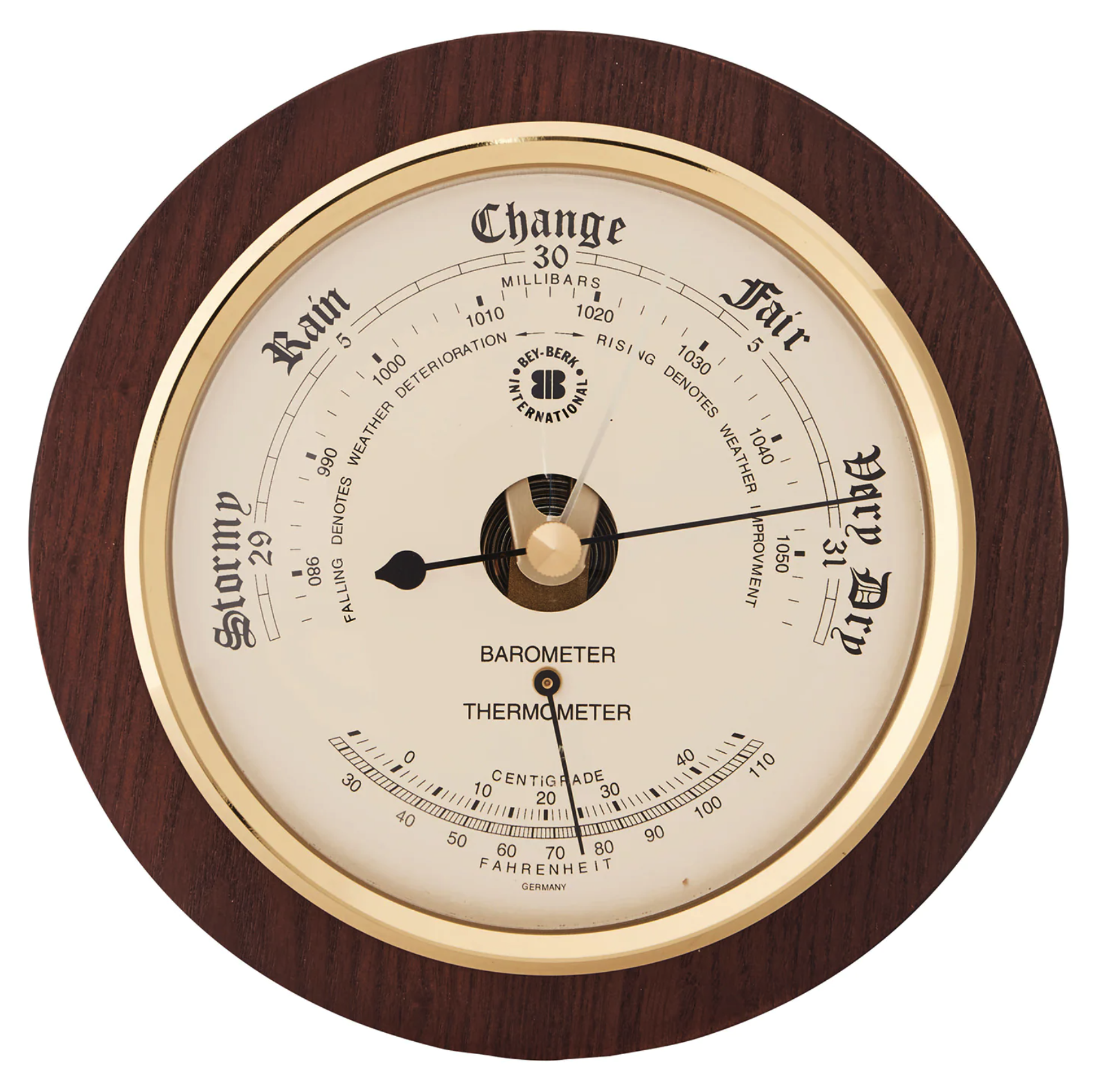
The Barometer Problem
Sir Ernest Rutherford, President of the Royal Academy, and recipient of the Nobel Prize in Physics, related the following story:
“Some time ago I received a call from a colleague. He was about to give a student a zero for his answer to a physics question, while the student claimed a perfect score. The instructor and the student agreed to an impartial arbiter, and I was selected. I read the examination question: “Show how it is possible to determine the height of a tall building with the aid of a barometer.”
The student had answered: “Take the barometer to the top of the building, attach a long rope to it, lower it to the street, and then bring it up, measuring the length of the rope. The length of the rope is the height of the building.”
The student really had a strong case for full credit since he had really answered the question completely and correctly! On the other hand, if full credit were given, it could well contribute to a high grade in his physics course and certify competence in physics, but the answer did not confirm this.
I suggested that the student have another try. I gave the student six minutes to answer the question with the warning that the answer should show some knowledge of physics. At the end of five minutes, he hadn’t written anything. I asked if he wished to give up, but he said he had many answers to this problem; he was just thinking of the best one. I excused myself for interrupting him and asked him to please go on. In the next minute, he dashed off his answer, which read: “Take the barometer to the top of the building and lean over the edge of the roof. Drop the barometer, timing its fall with a stopwatch. Then, using the formula x=0.5*a*t^2, calculate the height of the building.”
At this point, I asked my colleague if he would give up. He conceded and gave the student almost full credit. While leaving my colleague’s office, I recalled that the student had said that he had other answers to the problem, so I asked him what they were. “Well,” said the student, “there are many ways of getting the height of a tall building with the aid of a barometer. For example, you could take the barometer out on a sunny day and measure the height of the barometer, the length of its shadow, and the length of the shadow of the building, and by the use of simple proportion, determine the height of the building.”
“Fine,” I said, “and others?”
“Yes,” said the student, “there is a very basic measurement method you will like. In this method, you take the barometer and begin to walk up the stairs. As you climb the stairs, you mark off the length of the barometer along the wall. You then count the number of marks, and this will give you the height of the building in barometer units.”
“A very direct method.”
“Of course. If you want a more sophisticated method, you can tie the barometer to the end of a string, swing it as a pendulum, and determine the value of g [gravity] at the street level and at the top of the building. From the difference between the two values of g, the height of the building, in principle, can be calculated.”
“On this same tack, you could take the barometer to the top of the building, attach a long rope to it, lower it to just above the street, and then swing it as a pendulum. You could then calculate the height of the building by the period of the precession”.
“Finally,” he concluded, “there are many other ways of solving the problem. Probably the best,” he said, “is to take the barometer to the basement and knock on the superintendent’s door. When the superintendent answers, you speak to him as follows: ‘Mr. Superintendent, here is a fine barometer. If you will tell me the height of the building, I will give you this barometer.”
At this point, I asked the student if he really did not know the conventional answer to this question. He admitted that he did, but said that he was fed up with high school and college instructors trying to teach him how to think. The name of the student was Niels Bohr.”
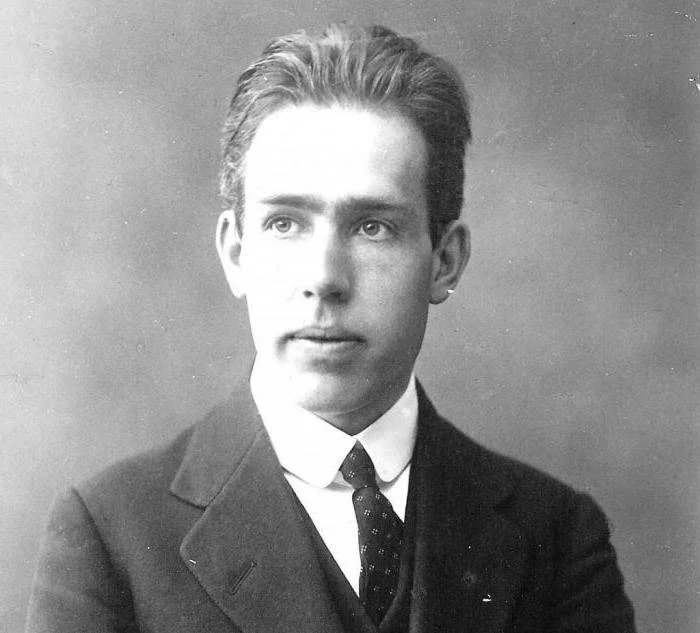
Who was Niels Bohr? 1885-1962 Danish Physicist; Nobel Prize 1922; best known for proposing the first ‘model’ of the atom with protons & neutrons, and various energy state of the surrounding electrons-the familiar icon of the small nucleus circled by three elliptical orbits ... but more significantly, an innovator and revolutionary in Quantum Theory.
… Preventing problems vs. reacting to problems
Learning from Cautionary Tales
Watch Jonathan’s reaction video to Pink’s Family Portrait. Powerful lessons from family conflicts and divorce. While not all marriages can or should be saved, many can. And either way, kids need to be kept out of the conflict. Better yet, learn how to address and resolve problems respectfully so kids don’t get caught in the middle and can learn a better model.
“Don’t Buy Stuff”
SNL Skit with Steve Martin, Amy Poehler, and Chris Parnell
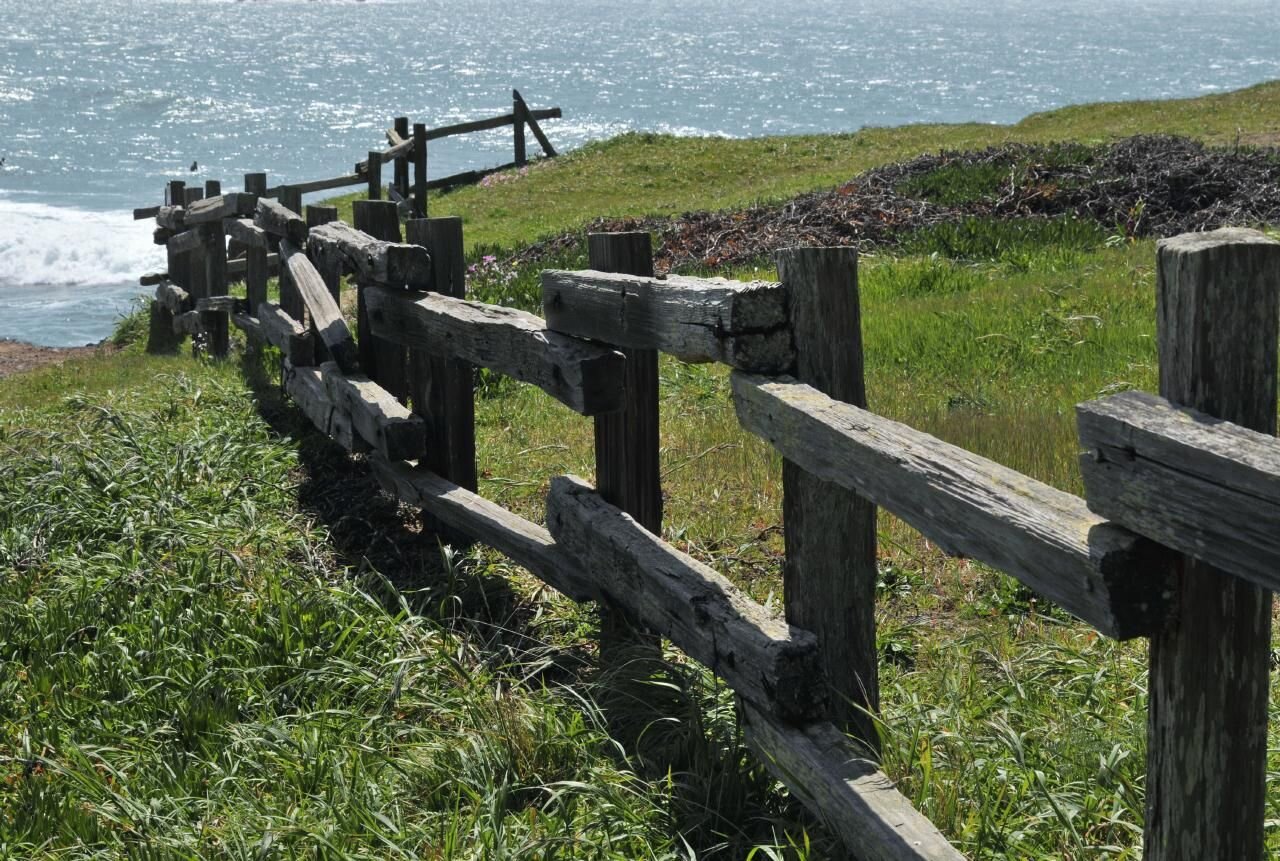
FENCES OR AMBULANCES?
by Joseph Malins
'Twas a dangerous cliff, as they freely confessed,
Though to walk near its crest was so pleasant;
But over its terrible edge there had slipped
A duke and full many a peasant.
So the people said something would have to be done,
But their projects did not at all tally;
Some said, "Put a fence around the edge of the cliff, "
Some, "An ambulance down in the valley. "
But the cry for the ambulance carried the day,
For it spread through the neighboring city;
A fence may be useful or not, it is true,
But each heart became brimful of pity
For those who slipped over that dangerous cliff;
And the dwellers in highway and alley
Gave pounds or gave pence, not to put up a fence,
But an ambulance down in the valley.
"For the cliff is all right, if you 're careful," they said,
"And, iffolks even slip or are dropping,
It isn 't the slipping that hurts them so much,
As the shock down below when they're stopping."
So day after day, as these mishaps occurred,
Quick forth would these rescuers sally
To pick up the victims who fell off the cliff,
With their ambulance down in the valley.
Then an old sage remarked: "It's a marvel to me
That people give far more attention
To repairing results than to stopping the cause,
When they 'd much better aim at prevention.
Let us stop at its source all this mischief, " cried he,
"Come, neighbors andiriends, let us rally;
If the cliff we will fence we might almost dispense
With the ambulance down in the valley. "
"Oh, he's a fanatic, " the others rejoined,
"Dispense with the ambulance? Never!
He'd dispense with all charities, too, if he could;
No! No! We '11 support them forever.
Aren 't we picking up folks just as fast as they fall?
And shall this man dictate to us? Shall he?
Why should people of sense stop to put up a fence,
While the ambulance works in the valley?"
But a sensible few, who are practical, too,
Will not bear with such nonsense much longer;
They believe that prevention is better than cure,
And their party will soon be the stronger.
Encourage them then, with your purse, voice, and pen,
And while other philanthropists dally,
They will scorn all pretense and put up a stout fence
On a cliff that hangs over the valley.
Better guide well the young than reclaim them when old,
For the voice of true wisdom is calling,
"To rescue the fallen is good, but 'tis best
To prevent other people from falling "
Better close up the source of temptation and crime
Than deliver from dungeon and galley;
Better put a strong fence round the top of the cliff
Than an ambulance down in the valley.
Source: The Best Loved Poems of the American People. New York: Doubleday, 1936, pp. 273-274.
… Channeling anger, learning skills, maintaining perspective, developing patience, and fostering understanding.
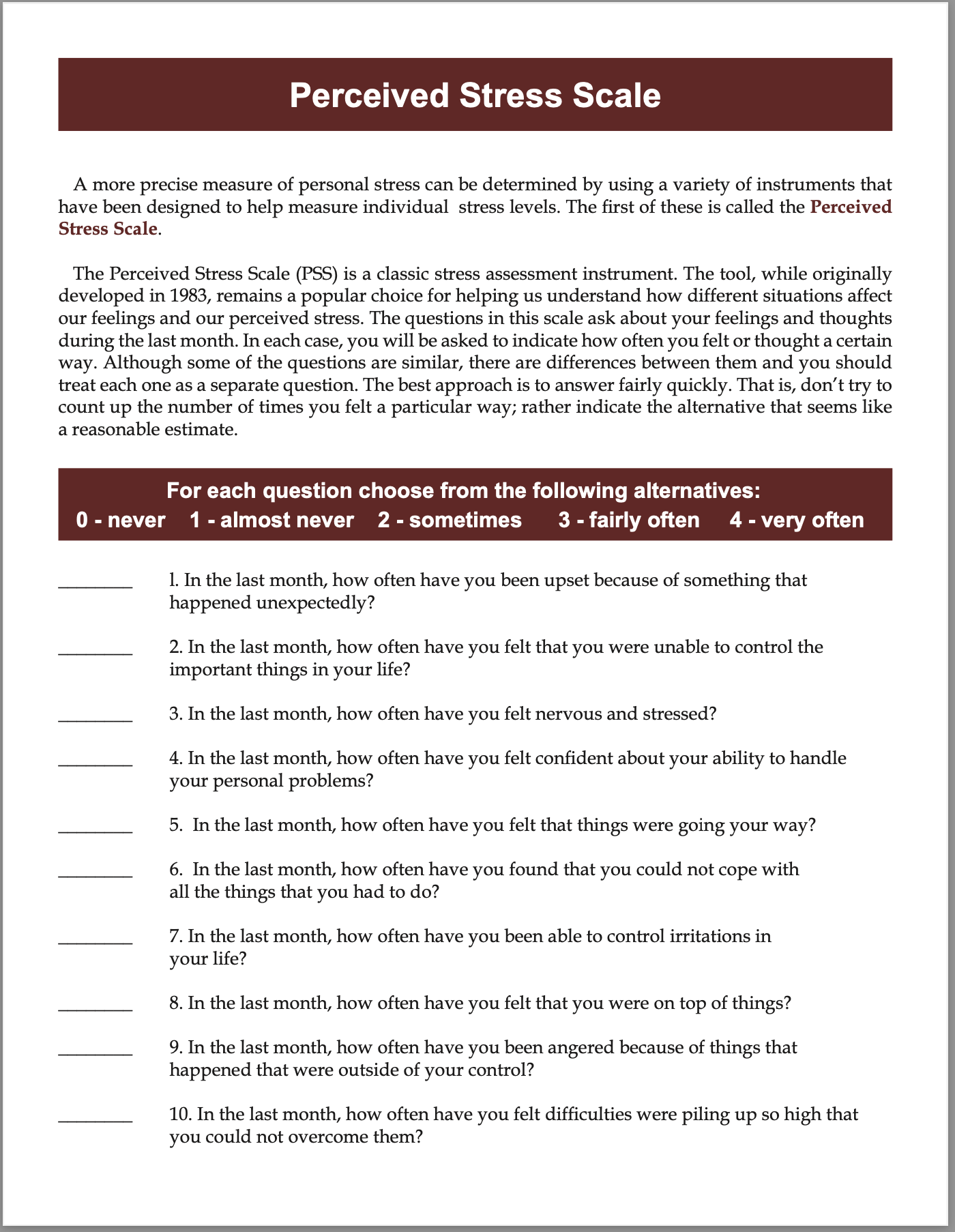
Stress Test: The Perceived Stress Scale (PSS-10)
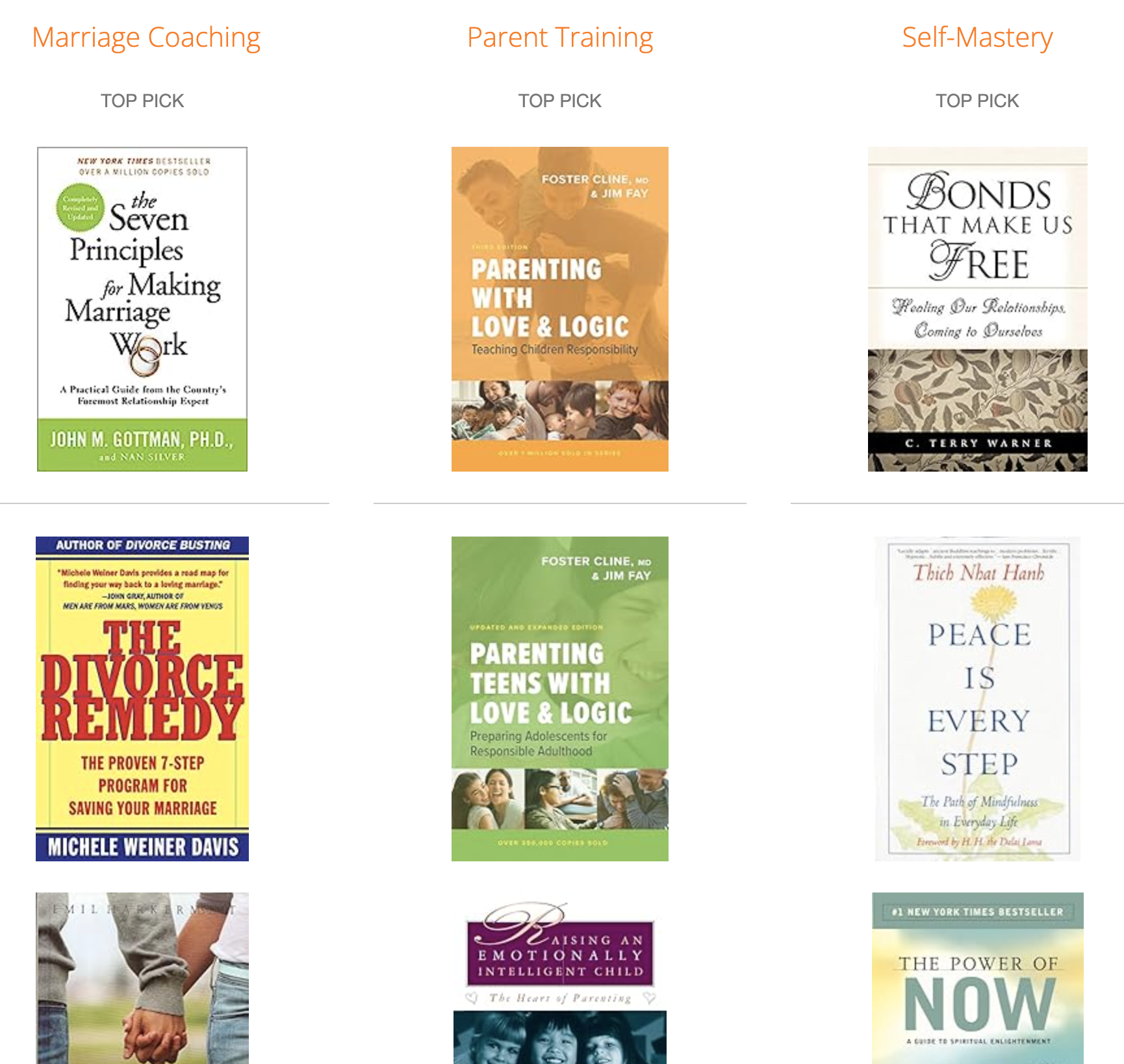
Recommended Reading
For dealing effectively with stress and conflict, there’s just no substitute for the best knowledge and the best skills. See my list of my top picks an other favorites in these three areas:
Vids